Internal Incident Reporting for Small Business: Steps, Tools & Strategies
Introduction
For small business owners, establishing a reliable internal incident reporting system is critical to protecting employees, maintaining operational integrity, and ensuring regulatory compliance. Incidents within the workplace, such as employee injuries, safety hazards, equipment failures, or policy breaches, require a proactive, documented response.
This article explains how to implement an internal incident reporting process that works for small businesses, covering the essential steps, recommended tools, and best practices to keep your workplace safe and efficient.
What Is Internal Incident Reporting for Small Business Owners?
Internal incident reporting is the structured documentation and response process used to capture events that happen inside your business. These include workplace injuries, near-misses, security breaches, or violations of company policies.
Unlike external reports sent to agencies or third parties, internal reports are used within your company to analyze risk, improve safety procedures, and guide employee training. A well-managed internal reporting system empowers your team, reduces future risk, and creates a safer work environment.
Who Is Involved in Your Internal Reporting Process?
An effective small business incident reporting process includes several key stakeholders:
Business Owners and Managers: Oversee the reporting system and lead follow-up.
Employees: Responsible for identifying and reporting incidents.
HR or Safety Officers: Handle investigations and ensure compliance.
Operations or IT Personnel: Resolve technical or process-related incidents.
Each person plays a vital role in maintaining a culture of accountability and responsiveness.
What Incidents Should You Capture Internally?
Understanding what constitutes a reportable incident is the first step toward effective incident management.
1. Employee Health and Safety Incidents
Slips, falls, and workplace injuries
Ergonomic issues or repetitive stress
Exposure to hazardous materials
2. Operational or Equipment Failures
Machinery breakdowns
Utility interruptions
Missed service deadlines due to process failures
3. Compliance or Policy Violations
Workplace harassment or discrimination
Data misuse or unauthorized access
Breaches of health and safety policies
4. Near Misses and Safety Hazards
Unsafe conditions that could have led to injury
Unreported safety risks in high-traffic areas
5. Internal Theft or Loss
Inventory discrepancies
Equipment misuse
Cash handling irregularities
How to Set Up an Internal Incident Reporting System for Small Businesses
Creating a robust internal incident reporting process is essential for small businesses seeking to improve workplace safety, build operational resilience, and remain compliant with regulations. Whether you're starting from scratch or refining your current approach, follow these comprehensive steps to build an effective internal incident reporting system tailored to small business needs.
Step 1: Define Reportable Incidents Clearly
Identify and categorize the incident types to track. Examples include employee injuries, near-misses, harassment claims, and equipment breakdowns. Use real-life scenarios during training to clarify expectations.
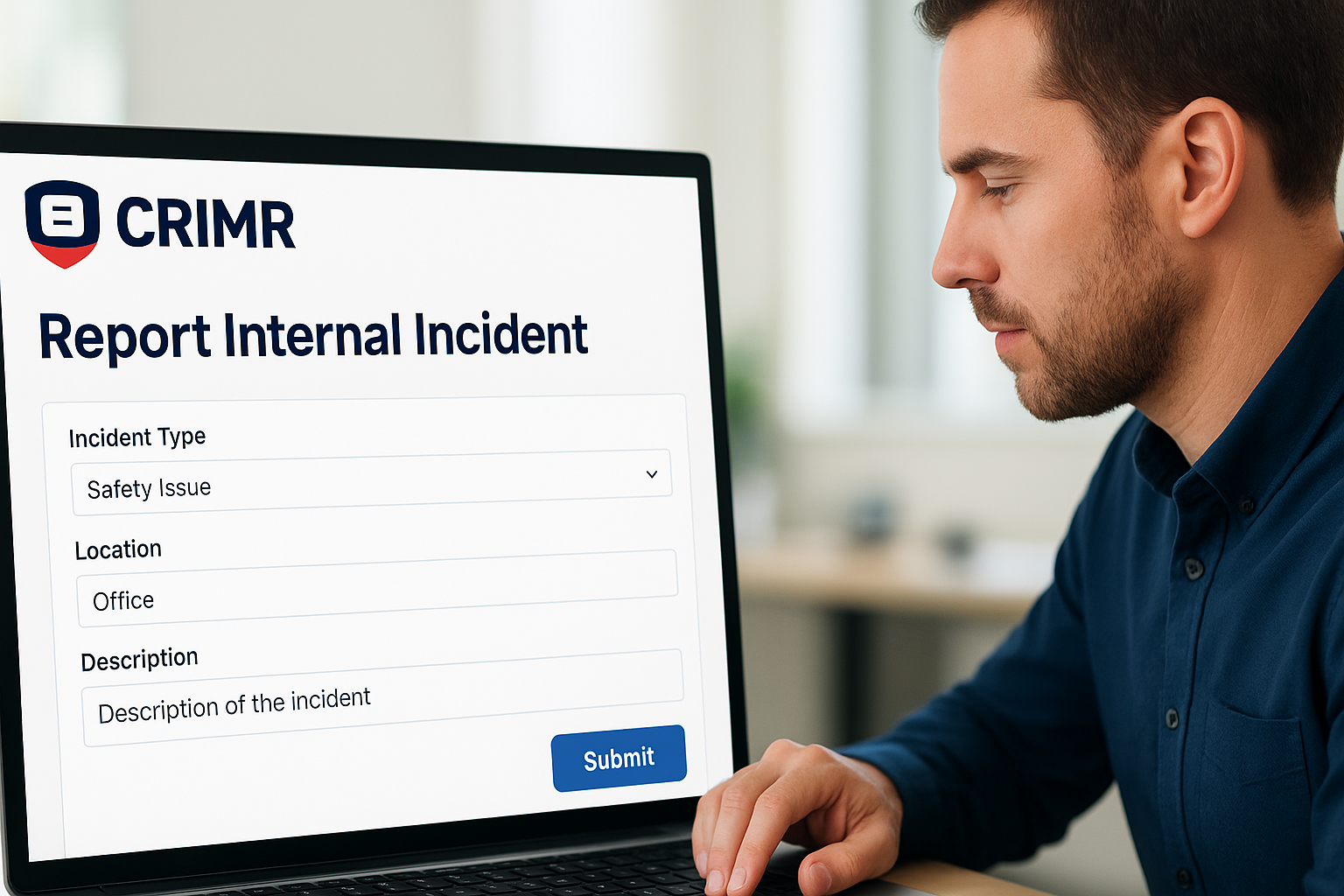
Step 2: Develop a Standardized Incident Report Form
Use a structured template with sections for:
Date, time, and location
Names of involved employees or witnesses
Detailed description
Immediate response actions
Supporting evidence (photos, videos, documents)
Digital forms like Google Forms simplify submissions and improve consistency.
Step 3: Make Reporting Easy and Accessible
Ensure employees can report incidents quickly.
Offer options like:
Printed forms in staff areas
Mobile-friendly online forms
Anonymous submission channels
Step 4: Set Up a Clear Workflow for Incident Review
Assign responsibility for reviewing incidents.
Define:
Who handles different types of incidents
Expected response timelines
Escalation protocols
Step 5: Investigate and Identify Root Causes
Conduct root cause analysis using methods like "5 Whys." Document findings and identify preventive actions.
Step 6: Take Corrective Action and Communicate Outcomes
Implement corrective measures and share updates with affected teams. This builds transparency and shows employees that their input leads to action.
Step 7: Maintain an Internal Incident Log and Analyze Trends
Keep a secure, centralized log. Review monthly or quarterly to identify trends and adjust safety protocols accordingly.
Step 8: Train Staff on the Reporting System
Regularly train employees on what to report and how to report it. Include internal reporting in onboarding and conduct annual refresher sessions.
Best Practices
Promote a Reporting Culture
Encourage a no-blame environment where reporting is viewed as positive. Reinforce that early reporting helps prevent serious issues.
Make Reporting Routine
Integrate reporting into daily operations—mention it during team meetings and safety briefings.
Keep Forms Simple but Thorough
Balance brevity with the need for complete information. Use drop-downs and optional comment sections.
Provide Ongoing Training
Use workshops and team meetings to teach staff how and when to report. Address common misconceptions.
Allow Anonymous Submissions When Necessary
Create a safe space for reporting sensitive issues, particularly around HR or interpersonal matters.
Set Timely Response Goals
Define timeframes for resolving different incident types (e.g., 24 hours for safety issues).
Assign Accountability
Each incident type should have a designated reviewer or responder.
Keep a Central Log
Use a dashboard or cloud spreadsheet to track reports and outcomes.
Track Metrics and KPIs
Measure response time, number of incidents, and resolution rates. Use insights to improve your reporting system.
Tools & Strategies to Improve Internal Reporting
Digital Tools
Google Forms or Microsoft Forms: Free and easy to customize
Incident Reporting Software: Consider iReportSource, Safesite, or CRIMR
Shared Cloud Storage: Securely store reports, media, and documents
Dashboards: Use Google Sheets or project management tools to monitor incident frequency and follow-up
Strategies
Schedule monthly incident log reviews
Create recurring team training sessions
Publish anonymous case studies to reinforce learning
Collaborate with HR or external advisors when handling complex or sensitive reports
Conclusion
Internal incident reporting helps small businesses identify risks, improve employee safety, and ensure a healthy work environment. It’s not just about compliance—it’s about building a culture of accountability and continuous improvement.
Key Takeaways:
Establish a clear definition of reportable incidents
Use simple, accessible tools for reporting
Assign roles and set timelines for reviewing incidents
Analyze your reports regularly to prevent future issues
Train staff consistently and reward transparency
By taking these steps, you’ll protect your team, reduce costly risks, and demonstrate your commitment to safe, responsible business practices.
FAQs
-
Any event that impacts your team, operations, or compliance such as workplace injuries, equipment failures, harassment complaints, or data breaches.
-
Immediately after the incident or as soon as safely possible. Same-day reporting is best.
-
No, but using tools like CRIMR can streamline the process as your business grows.
-
Foster a culture of trust, simplify the process, and show that every report is taken seriously and leads to action.
-
Internal reporting involves incidents within your business environment, handled by management. External reporting involves notifying outside entities like law enforcement, insurance companies, or regulatory bodies.