How Neighboring Shops Can Collaborate to Make Your Retail Strip Safer
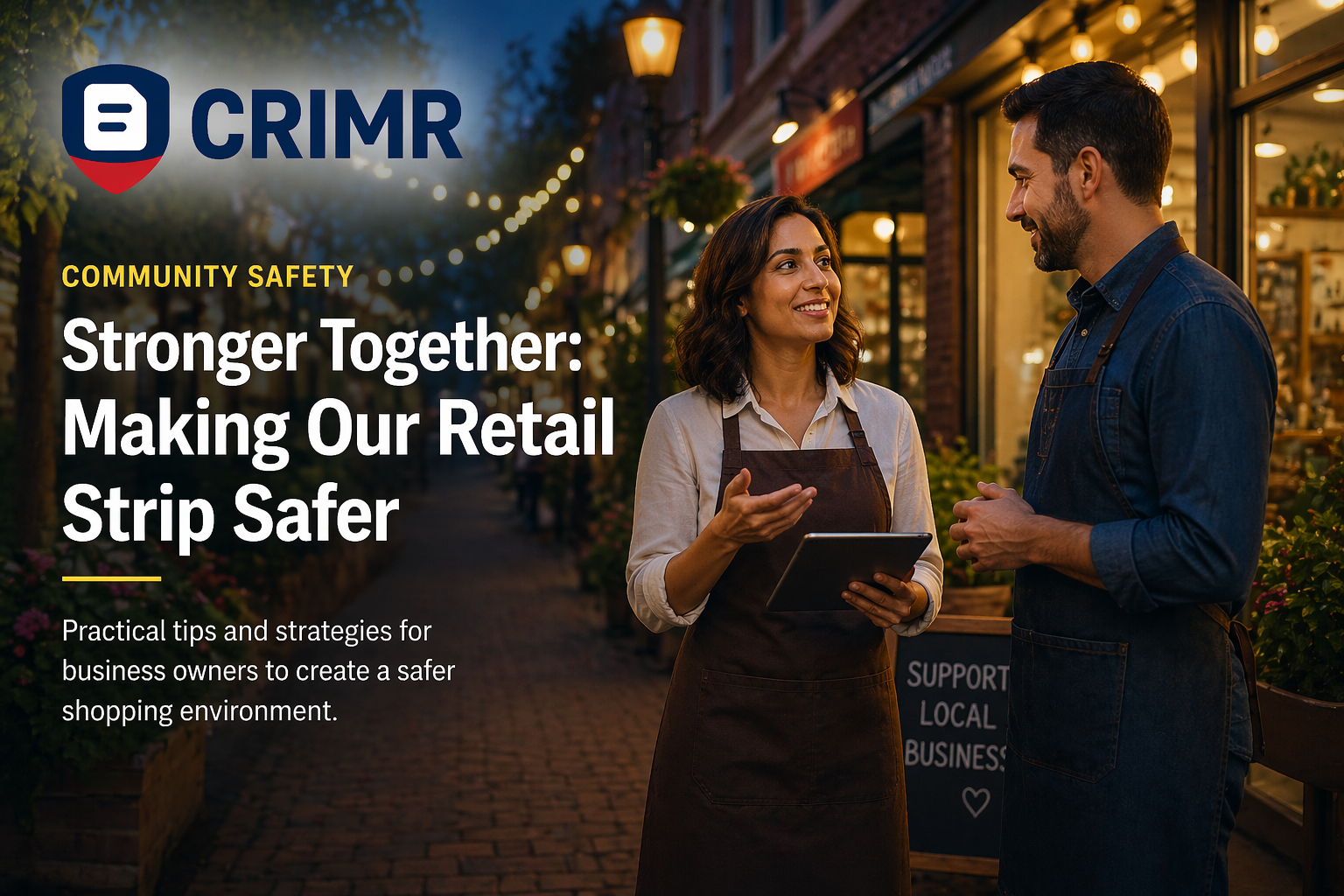
If your shop is clean and welcoming but the one next door has broken lights or loiterers hanging around, it reflects on your business too. Customers don't judge storefronts in isolation; they judge the entire experience of your block.
Corridor safety isn’t something you can fix alone. It takes a network. When independent shop owners talk, share notes, and work together, you create safer sidewalks, stronger trust, and more consistent foot traffic across your entire retail strip.
Why Local Retail Safety Depends on Collaboration
As a small business owner, your storefront may be in great shape, but your environment is shaped by what’s around you. If your neighbors’ spaces appear unsafe or neglected, foot traffic may slow down, customer confidence can drop, and your brand takes a hit.
Quick Stat: Shoplifting has increased 93 percent since 2019, and theft-related dollar losses are up 90 percent, according to the National Retail Federation’s 2024 Retail Security Survey. Independent retailers are impacted just as heavily as major chains.
How Small Shops Working Together Improves Safety and Foot Traffic
By building a simple collaboration rhythm with neighboring businesses, you can:
Spot safety issues early and act on them quickly
Share the responsibility for public-facing areas
Gain more traction with local authorities, BIDs, or landlords
Create a cleaner, safer, more attractive shopping experience
Boost trust and increase walk-ins across the strip
Quick Stat: Retail foot traffic rose 0.4 percent year over year in 2024, according to Shopify. That’s modest growth — but it shows that safe, physical shopping environments still drive results.
Simple Ways to Build Local Retail Safety Partnerships
You don’t need a formal committee or a new system. Just start with:
A weekly 5–10 minute check-in with one or two nearby businesses
A shared log for observations and incidents
Walking the sidewalk together once a week
Pooling funds for common needs like lighting or trash pickup
Coordinated reporting to the city or your business improvement district
Try asking questions like:
“Have you noticed anything unusual near our shops lately?”
“Want to do a quick sidewalk walk next week?”
“Should we co-report that broken light or loitering hotspot?”
What Counts as a Quick Fix?
Start with small, visible changes that have big impact:
Replace a flickering bulb
Add a “Community Watch in Effect” sign
Coordinate trash cleanup on a shared back alley
Remove graffiti quickly and visibly
These details shape the first impression of every potential customer.
Use the C O R R I D O R Framework
Build a stronger block with this easy-to-follow model:
Communicate weekly
Observe your shared space
Report incidents internally
Report externally when needed
Implement quick fixes
Drive foot traffic together
Organize simple reviews
Refine the plan based on patterns
Let your team know you're doing this and invite their input. Staff often notice safety or environment issues first.
Shared Reporting Systems for Corridor Safety
Most safety issues start small and worsen if ignored. Shared incident tracking helps prevent that.
Quick Stat: 85 percent of retailers now invest in internal or external safety tracking, per NRF data. The more consistent the reporting, the more seriously you’ll be taken.
Pro Tip: Take 2–3 quick photos of your storefront and sidewalk before launching this effort. Revisit them after 30 days — you’ll see the progress.
Common Mistakes to Avoid
1. Ignoring small issues
Even minor discomforts, like poor lighting or an odd encounter, deserve to be logged.
2. Assuming someone else reported it
Unless you confirm, it likely wasn’t reported. Take initiative.
3. Waiting for a formal system
Start small. Don’t wait for city officials or a BID rep — lead with one conversation.
4. Thinking you’re too small to matter
Your leadership creates momentum. When you act, others follow.
What You Can Say to a Neighbor Right Now
Here’s a quick script you can send by email or text:
Hey! I’ve been thinking — what if we did a quick weekly check-in about safety or sidewalk issues?
Nothing formal, just a short log or five-minute walk. I think it could help all of us keep things consistent and clean.
Let me know if you’re open. Happy to start it this week.
You can also drop this off as a handwritten note to nearby owners or managers.
Track Progress with a 30-Day Safety Plan
Week 1: Start the conversation
Week 2: Walk the block together
Week 3: Set up a shared log
Week 4: Report your first issue together
Month 2: Reflect on what changed and what worked
Most shop owners begin to see small wins, cleaner sidewalks, better lighting, and fewer issues within 30 to 60 days.
Final Word: One Small Action Starts the Network
You don’t have to fix everything alone. And you don’t need to wait.
✅ Talk to one neighboring shop owner
✅ Walk your storefronts for five minutes
✅ Log one shared issue
✅ Check in again next week
That’s how retail corridor safety begins, and that’s how better business results follow.